
استشاري جراحات المياه البيضاء وتصحيح الابصار وعلاج جفاف العيون

Conjunctivitis is an inflammation of the mucous membrane lining the inside of the eyelids. This condition usually affects both eyes simultaneously; although it may start in one eye, the infection often spreads to the other within a day or two. It is a very common condition caused by acute infectious agents (bacterial or viral). While highly bothersome, it is generally not dangerous if proper viral conjunctivitis treatment is followed correctly and promptly.
If you notice any symptoms of conjunctivitis, it is highly recommended to visit Dr. Abdul Rahman Shams's center, considered one of the top ophthalmologists in Egypt. He possesses exceptional expertise and provides the latest technologies for viral conjunctivitis treatment to achieve fast and effective results that ensure the safety of your eyes.
In the following lines, we will discuss in detail the pathogens of eye infections, their risk to vision, especially in children, and the medical protocols for recovery.
In this context, WebMD emphasizes that viral conjunctivitis is highly contagious and, unlike bacterial infections, cannot be cured with antibiotics. According to the trusted medical platform, the viral infection typically needs to run its course. Therefore, the primary medical protocol focuses strictly on supportive care and symptom management—such as utilizing artificial tears and cold compresses—while practicing rigorous hygiene to prevent the virus from spreading
Clinical Symptoms of Viral Conjunctivitis
Multiple signs appear in patients with a viral infection (pink eye), often starting in one eye before spreading to the other. This condition is characterized by a watery (non-purulent) discharge that may last from one to three weeks, making it easier for the specialist to determine the course of viral conjunctivitis treatment. Clinical symptoms include:
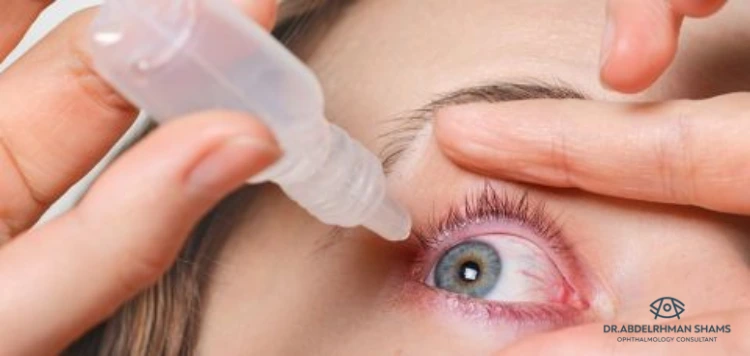
- Eye Redness (Pink Eye): Results from the dilation and inflammation of the tiny blood vessels in the conjunctiva.
- Watery Discharge: Excessive tearing and clear or light mucous discharge, unlike bacterial infections which produce thick yellow or green pus.
- Itching and Burning: A persistent and annoying burning or itchy sensation inside the eye.
- Foreign Body Sensation: A feeling similar to having sand or grit under the eyelids.
- Eyelid Swelling (Edema): Noticeable swelling, especially in the upper eyelids, with the possibility of light crusting.
- Light Sensitivity (Photophobia): Mild blurred vision or extreme sensitivity to light sources.
- Accompanying Systemic Symptoms: The inflammation may be accompanied by respiratory symptoms similar to a cold, such as a sore throat or mild fever.
Pathogens: The Difference Between Viral and Bacterial Conjunctivitis
The fundamental difference between the two types lies in the pathogen and the nature of the discharge. Viral inflammation is often linked to respiratory viral infections, whereas bacterial inflammation requires antibiotic intervention. Conversely, viral conjunctivitis treatment relies heavily on supportive care and symptom relief until the body recovers naturally.
The following medical table illustrates the most prominent diagnostic differences:
|
Comparison Point |
Viral Conjunctivitis |
Bacterial Conjunctivitis |
|
Medical Pathogen |
Viruses (e.g., Adenovirus) |
Bacteria (e.g., Staphylococci) |
|
Nature of Discharge |
Watery, thin, and transparent |
Thick, yellow or green (purulent/pus) |
|
Eyelid Adhesion |
Rarely occurs |
Very common (especially upon waking up) |
|
Accompanying Symptoms |
Runny nose, cough, or sore throat |
Symptoms are often limited strictly to the eye |
|
Treatment Protocol |
Heals spontaneously (with compresses and lubricating drops) |
Requires antibiotic eye drops or ointments |
|
Contagion Rate |
Highly contagious and spreads rapidly between eyes |
Contagious only through direct contact |
Potential Complications: When Is Eye Inflammation a Risk to Vision?
In normal cases, eye inflammation does not pose a severe risk, but medical neglect can worsen the infection and damage ocular tissues, threatening vision. Immediate medical intervention is necessary to evaluate the condition and determine the required viral conjunctivitis treatment protocol to prevent vision damage in the following cases:
- Severe symptoms such as thick purulent discharge, intense pain, violent itching, or excessive swelling (an indicator of a strong bacterial infection or Corneal Ulcer Treatment ).
- Severe redness accompanied by acute blurred vision, which may warn of iris or retinal inflammation.
- Lack of response to initial treatments and frequent recurrence of the inflammation.
- Infection in patients with chronic diseases (like diabetes or autoimmune diseases) whose immune response is weaker.
Disease Cycle and Recovery Period from Viral Inflammation
The viral infection cycle usually takes between two to three weeks. The inflammation starts in one eye and spreads to the second within days, and symptoms gradually fade as the immune system fights the virus. Although self-healing is the dominant feature, viral conjunctivitis treatment may include antiviral medications in exceptional and rare cases, such as infections caused by the Herpes Simplex Virus.
Conjunctivitis in Children: Causes and Treatment Options
Conjunctivitis in children is defined as the swelling of the outer membrane of the eyeball due to blood vessel inflammation. Applying the correct viral conjunctivitis treatment in children primarily depends on the precise identification of the cause, which is divided into:
- Viral and Bacterial Infections: Cold-causing viruses are the most common factor. Bacterial infections are also common, accompanied by sticky greenish-yellow discharge, and often occur after upper respiratory tract infections.
- Allergic Reactions (Allergies): Exposure to allergens triggers the release of histamine, causing simultaneous redness, itching, and tearing in both eyes, and may be accompanied by sneezing and a runny nose.
- External Factors: The entry of foreign bodies or chemicals causes a mild inflammation that usually disappears within 24 hours after thoroughly washing the eyes with pure water.
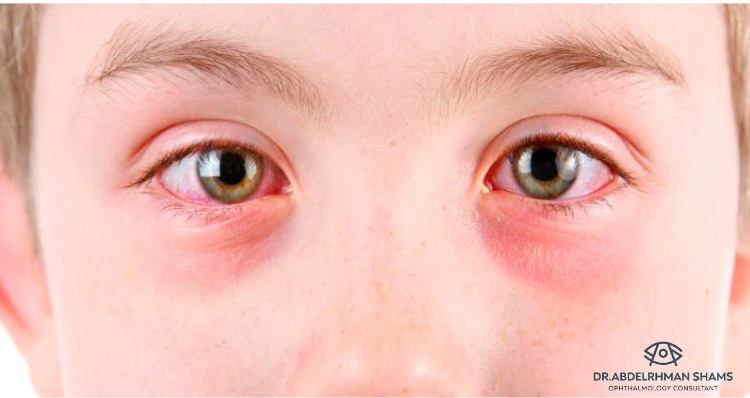
Treatment options for children include:
- For Bacteria: Using sterile antibiotic drops or ointments (ointments are generally better for children despite their temporary effect on vision clarity).
- For Viruses: There are no medications that eliminate the virus itself; it resolves automatically within a maximum of two weeks.
- For Allergies: Using antihistamines, anti-inflammatories, and redness-relieving eye drops.
Pharmacological Intervention: Effective Eye Drops for Controlling Inflammation
Medical drops vary depending on the pathogen. In viral cases, drops primarily aim to relieve symptoms, and it is crucial to consult an ophthalmologist to determine the most appropriate drops within the Viral Conjunctivitis treatment plan. Types of drops used include:
- Lubricating Drops (Artificial Tears): Moisturize the eye and relieve dryness and tissue irritation associated with viral inflammation.
- Anti-inflammatory Drops: Such as Fluorometholone, which are prescribed to relieve severe or allergic inflammation accompanying the infection.
- Antibacterial Drops: Such as Tobramycin, used exclusively to treat bacterial infections and have no effect on viruses.
In this context, the globally esteemed Mayo Clinic confirms that because viral conjunctivitis is caused by a virus, antibiotics will not help and may even cause harm by reducing their effectiveness in the future. Instead, their medical guidelines emphasize that the virus simply needs time to run its course—often taking up to two or three weeks. Mayo Clinic strongly recommends focusing on supportive symptom relief, encouraging patients to rely on natural and over-the-counter remedies to soothe the eyes during the healing process.
The Approved Medical Protocol for viral conjunctivitis treatment
As mentioned, no antibiotic can eliminate viruses, but medical guidelines include a set of preventive and supportive measures to accelerate natural healing and relieve patient discomfort, including:
- Eye Rest: Avoiding eye strain from screens, getting adequate sleep, and avoiding exposure to bright lights.
- Localized Cooling (Cold Compresses): Applying ice cubes wrapped in a clean cloth to cool the eye and reduce blood vessel dilation, which alleviates redness and swelling.
- Anti-allergy Drops: To relieve severe itching and reduce redness (available over-the-counter).
- Avoiding Irritants: Especially smoking; smoke causes acute irritation in inflamed tissues and worsens the condition.

Home Measures and Self-Care to Prevent the Spread of Infection
Prevention and personal hygiene are the main pillars of controlling eye infections and are an integral part of successful healing:
- Strict Eye Hygiene: Wash hands with soap and water before and after touching the eye. Use clean, damp cotton pads to gently clean secretions, dedicating a separate towel for each eye.
- Stopping Contaminants: Completely refrain from wearing contact lenses and avoid applying eye cosmetics until fully healed.
- Preventing Friction: Never rub the infected eye to prevent transferring the infection to the healthy eye or worsening the inflammation.
- Chilled Tea Bags: Chilled black or green tea bags can be used as soothing compresses due to their natural anti-inflammatory properties.
- Warm Compresses (For Mild Bacterial Infections): Useful for removing hard crusts and opening tear ducts to relieve localized swelling.
Despite the effectiveness of these home measures, they do not replace a specialized medical examination. If symptoms persist for more than 48 hours, or the inflammation is accompanied by severe pain and poor vision, you must immediately consult an ophthalmologist to evaluate the condition.
Dr. abdelrhman shams advises strictly following medical instructions to avoid any complications. Best Cataract Surgeon You can contact us to request a free consultation regarding viral conjunctivitis treatment, or to book an appointment to evaluate any other eye conditions by calling: 01118886541 or by visiting our website.
الاسئله الشائعة
احدث المقالات