استشاري جراحات المياه البيضاء وتصحيح الابصار وعلاج جفاف العيون
The eyes are the gateway to the world, and any clouding of this window can significantly diminish one's quality of life. For decades, vision correction relied heavily on glasses and contact lenses.
However, the advancement of ophthalmic surgery has introduced a permanent and life-changing solution:
the intraocular lens implant. This procedure has revolutionized the treatment of cataracts and high refractive errors, allowing patients to see the world with newfound clarity.
At the center of this medical revolution in Egypt is Dr. Abdelrahman Shams, a consultant ophthalmologist whose expertise in intraocular lens implant for vision correction has helped thousands of patients regain their sight.
In this comprehensive guide, we will explore the nuances of IOL technology, the surgical process, and what you can expect in terms of results and pricing.
What is an Intraocular Lens Implant?

An intraocular lens implant (often abbreviated as IOL) is an artificial lens that is surgically placed inside the eye. It primarily replaces the eye's natural lens when it becomes cloudy due to cataracts or when it can no longer focus properly.
The IOL full form in pregnancy or general medical terms remains "Intraocular Lens," a prosthetic that mimics the light-focusing function of a healthy natural lens.
While the procedure is most commonly associated with cataract surgery, it is also a premier choice for intraocular lens implant for vision correction in patients with extreme myopia (nearsightedness) or hyperopia (farsightedness) who are not suitable candidates for traditional LASIK.
What are the 4 Types of Cataract Lenses?
When discussing an intraocular lens implant, patients often ask: What are the 4 types of cataract lenses? Understanding these options is crucial for making an informed decision about your vision.
1. Monofocal IOLs
The most common type of intraocular lens implant. These lenses are designed to provide clear vision at a single distance (usually far distance).
While they offer excellent clarity for driving or watching TV, patients usually still require reading glasses.
2. Multifocal and Trifocal IOLs
These advanced lenses allow for vision at multiple distances. Trifocal lenses, in particular, provide a "seamless" transition between near, intermediate (computer work), and far vision. Many patients choose this intraocular lens implant to eliminate their dependency on glasses entirely.
3. Toric IOLs for Astigmatism
If you have astigmatism, a standard IOL might not provide perfect clarity. A Toric intraocular lens implant is specifically shaped to correct the irregular curvature of the cornea, addressing both the cataract and the astigmatism simultaneously.
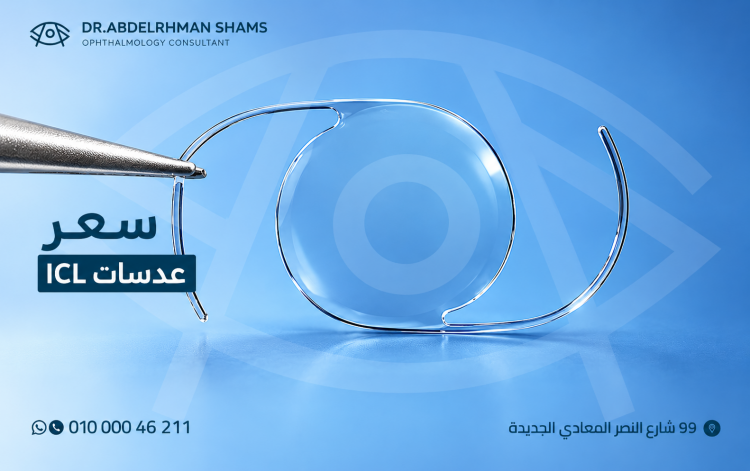
4. Phakic IOLs (ICL/IPCL)
Unlike cataract lenses, these are implanted without removing the natural lens. They are the go-to intraocular lens implant for vision correction for younger patients with very high prescriptions.
Intraocular Lens Implant Pros and Cons

Like any medical procedure, an intraocular lens implant comes with a balance of advantages and considerations.
The Pros:
-
Permanent Results: Unlike contact lenses, an IOL does not need maintenance and stays in the eye for life.
-
High Success Rate: Modern techniques used by experts like Dr. Abdelrahman Shams ensure safety and precision.
-
UV Protection: Many modern implants come with built-in filters to protect the retina from harmful rays.
-
Rapid Recovery: Most patients notice a significant improvement in vision within 24 to 48 hours.
The Cons:
-
Surgical Risks: Although rare, risks include infection or slight displacement of the lens.
-
Glare and Halos: Some multifocal lenses may cause temporary "halos" around lights at night.
-
Cost: The lens implant surgery cost can be higher than traditional treatments due to the high-tech nature of the lenses.
The Role of Imaging: Intraocular Lens Implant Radiology and CT
In complex medical cases, imaging plays a vital role. You might encounter terms like intraocular lens implant radiology or intraocular lens implant CT during pre-operative or post-operative assessments.
-
Intraocular lens implant radiology: Radiologists and ophthalmologists use specific imaging to ensure the lens is perfectly centered and to check for any underlying ocular structures that might affect the surgery.
-
Intraocular lens implant CT: While not a routine requirement for standard cataract surgery, a CT scan might be used in cases of ocular trauma or complex orbital issues to visualize the position of a previously implanted lens relative to the surrounding bone and tissue.
Understanding these technical aspects ensures that your intraocular lens implant is placed with mathematical precision.
Understanding the Cost: Lens Implant Surgery Cost in Egypt
One of the most frequent inquiries is regarding the intraocular lens cost and the overall lens implant surgery cost. In Egypt, prices vary based on several factors:
Factors Affecting Cost:
-
Lens Technology: Monofocal lenses are the most affordable, while Trifocal and Toric lenses increase the intraocular lens cost due to their sophisticated optics.
-
Surgical Technique: Use of Femto-Laser technology for lens fragmentation can affect the final price.
-
Surgeon’s Expertise: Choosing a highly qualified consultant like Dr. Abdelrahman Shams ensures you are paying for experience and minimized risk.
Estimation: At the clinic of Dr. Abdelrahman Shams, the intraocular lens implant procedure typically ranges from 30,000 to 60,000 EGP per eye, depending on the lens type and the patient’s specific needs.
The Surgical Experience with Dr. Abdelrahman Shams

Choosing Dr. Shams for your intraocular lens implant means opting for a seamless surgical journey. The procedure is surprisingly quick and efficient:
-
Duration: The surgery usually takes less than 10 to 15 minutes.
-
Anesthesia: Performed under local numbing drops; no general anesthesia is required in most cases.
-
The Procedure: A microscopic incision (less than 3mm) is made. The natural cloudy lens is removed using ultrasound energy, and the new intraocular lens implant is inserted through the same tiny opening.
Post-Operative Care
To ensure the success of your intraocular lens implant for vision correction, patients must follow strict guidelines:
-
Avoid rubbing the eye for at least a week.
-
Use prescribed antibiotic and anti-inflammatory drops.
-
Wear sunglasses to protect the eyes from dust and bright light during the initial healing phase.
Common Questions and Considerations
IOL Full Form in Pregnancy
While the surgery is safe for the general population, it is often advised to postpone elective intraocular lens implant for vision correction during pregnancy. Hormonal changes can temporarily alter the cornea's shape, making it difficult to calculate the exact power of the lens needed.
Longevity of the Lens
An intraocular lens implant is designed to be permanent. It does not "wear out" or expire. Once implanted by a skilled professional, it serves as a lifelong vision solution.
Why Choose Egypt for Your Intraocular Lens Implant?
Egypt has become a regional hub for ophthalmology. With specialists like Dr. Abdelrahman Shams, patients can access the same technology found in Europe or the USA but at a more competitive lens implant surgery cost.
From advanced intraocular lens implant radiology to the highest quality IOLs (German and American brands), the level of care is world-class.
Conclusion: A Clearer Future Awaits
The decision to undergo an intraocular lens implant is a decision to reclaim your independence and visual joy.
Whether you are navigating the complexities of cataracts or seeking the best intraocular lens implant for vision correction to replace your heavy glasses, the technology is now safer and more effective than ever.
By choosing a trusted expert like Dr. Abdelrahman Shams, you ensure that your surgery is backed by academic excellence and thousands of successful outcomes.
Don't let blurred vision hold you back. Understand the intraocular lens cost, weigh the intraocular lens implant pros and cons, and take the first step toward visual freedom.
Ready to see the world clearly? Contact Dr. Abdelrahman Shams’s clinic today to schedule your consultation and find out which intraocular lens implant is right for you.
learn more about: eye cataract treatment
الاسئله الشائعة
احدث المقالات
انواع عمليات تصحيح الابصار
2026-09-26

PRK Eye Surgery | Safely Ditch Your Glasses
2026-09-20