استشاري جراحات المياه البيضاء وتصحيح الابصار وعلاج جفاف العيون

Femto LASIK is one of the latest medical technologies used to correct refractive vision problems. This technology is widely adopted globally. It aims to remove a thin layer from the surface of the cornea, allowing the ophthalmic surgeon to reshape the underlying tissue to correct visual acuity, enabling the patient to achieve clear vision without corrective lenses. However, this intervention is not universally suitable for all clinical candidates.
Therefore, in this article, Dr. Abdul Rahman Shams, Consultant of Vision Correction and Dry Eye, will detail what the femto LASIK procedure in Egypt entails, how it is performed, post-surgical recovery, potential contraindications, and the clinical differences between Traditional LASIK, Femto, and SMILE techniques.
Understanding the femto LASIK procedure: Mechanism and Purpose
This refractive surgery is an advanced laser technique that reshapes the cornea to resolve refractive errors such as hyperopia (farsightedness), astigmatism, and myopia (nearsightedness). By utilizing a laser to create a precise corneal flap and reshaping the stroma, the patient can effectively regain optimal visual acuity.
Clinical Benefits and Efficacy of the femto LASIK procedure
- Corrects refractive errors with superior clinical efficacy.
- Reduces the incidence and severity of post-operative dry eye syndrome.
- Offers a higher safety profile compared to long-term contact lens usage.
- Treats severe visual impairments not adequately addressed by conventional excimer lasers, covering prescription ranges from +6 to -10 diopters.
- Characterized by accelerated tissue healing and rapid visual recovery.
- Highly effective for restoring 20/20 (10/10) vision without optical aids.
- Permits the safe resumption of digital screen usage shortly after surgery.
Recent reports from institutions like the Mayo Clinic confirm that relying on femtosecond laser technology to create corneal flaps—rather than mechanical microkeratomes—has elevated the safety of vision correction. This precision mitigates complication risks and ensures rapid corneal tissue stabilization.
Surgical Technique: Step-by-Step of the femto LASIK procedure
- The surgery is performed under local topical anesthesia using ophthalmic anesthetic drops.
- The surgeon utilizes a sterile speculum to keep the eyelids securely open during the operation.
- A specialized suction ring is applied to stabilize the globe and corneal surface.
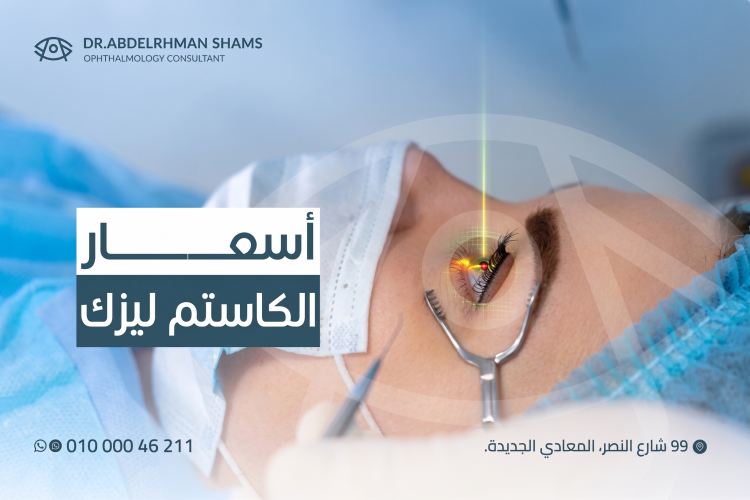
- The surgeon directs a femtosecond laser to emit precise energy pulses, creating microscopic gas bubbles that safely separate the superficial corneal flap from the underlying stroma.
- Dr. Abdul Rahman Shams then applies excimer laser beams to the deeper corneal stroma to ablate and reshape the tissue according to the patient's exact refractive prescription.
Operative Duration and Immediate Post-Surgical Phase
The entire femto LASIK procedure duration ranges from 20 to 30 minutes for both eyes. Patients are typically cleared to return home within two to three hours post-operatively after an initial clinical evaluation to confirm the surgery's immediate success.
Post-Operative Care and Expected Clinical Outcomes
While the femto LASIK procedure is renowned for yielding immediate visual improvements, transient side effects may manifest during the initial healing phase. Patients may LASIK Patient Experience ocular dryness, mild visual distortion, or halos around lights at night. These symptoms are generally temporary and resolve rapidly when adhering strictly to the ophthalmologist's post-operative protocol.
Post-Surgical Recovery Protocols and Guidelines
- Administer prescribed lubricating eye drops routinely to maintain optimal ocular hydration.
- Refrain from strenuous physical exertion and heavy lifting.
- Strictly avoid rubbing or applying pressure to the eyes.
- Prevent tap water or unsterile liquids from entering the eyes.
- Minimize environmental exposure to dust, wind, and airborne irritants.
- Suspend the application of ocular cosmetics and eyelid makeup.
- Avoid swimming pools, hot tubs, and saunas.

Additionally, wearing UV-protective sunglasses when exposed to bright sunlight is critical for protecting the healing cornea. Dr. Abdul Rahman Shams provides customized recovery guidelines based on individual corneal health.
Potential Complications and Ocular Side Effects
Despite exceptionally high success rates, a minor percentage of patients may experience side effects. These can include a natural age-related decline in near vision (presbyopia), increased photophobia (light sensitivity), or, rarely, persistent dry eyes and microscopic bubbles in the corneal interface. Selecting a highly qualified refractive surgeon and utilizing advanced medical technology is critical to minimizing these risks and ensuring optimal safety.
Financial Overview and Cost Analysis
The average cost for vision correction utilizing femtosecond technology in Egypt begins at 8,000 EGP, whereas in Saudi Arabia, pricing typically starts at 5,000 SAR.
Key Variables Influencing the Cost of the femto LASIK procedure
- Surgeon's Expertise: Extensive surgical experience and specialized academic credentials ensure optimal outcomes and directly influence the pricing structure.
- Laser Technology: Utilizing state-of-the-art, recently manufactured femtosecond and excimer laser platforms increases precision but may reflect in the overall cost.
- Clinical Facility Standards: Premium post-operative care, nursing standards, and the facility's sterilization protocols impact the final pricing.
- Pre-operative Diagnostics: Comprehensive corneal topography and pachymetry exams required prior to surgery.
- Complexity of the Refractive Error: Highly customized treatment plans for complex astigmatism or higher-order aberrations may necessitate additional interventions.
WebMD and the broader ophthalmic community recognize this bladeless approach as a surgical breakthrough, significantly accelerating visual recovery and offering superior safety parameters compared to traditional mechanical LASIK.
Comparative Clinical Efficacy: Traditional LASIK, Femto LASIK, and SMILE
Refractive surgery protocols vary based on corneal thickness, topographic stability, and the severity of astigmatism or myopia. Here is a comprehensive clinical comparison of the three primary modalities Best Lasik Doctor in Egypt:
|
Clinical Metric |
Traditional LASIK |
Femto LASIK |
Femto SMILE |
|
Flap Creation Method |
Mechanical microkeratome (surgical blade) |
Femtosecond laser (bladeless) |
No flap; microscopic keyhole incision |
|
Laser Modality |
Excimer laser only |
Femtosecond + Excimer lasers |
Femtosecond laser only |
|
Corneal Suitability |
Standard corneal thickness only |
Accommodates relatively thinner corneas |
Optimal for thin or biomechanically weak corneas |
|
Dry Eye Incidence |
Highest rate of transient dryness |
Reduced incidence and faster recovery |
Lowest risk of dryness (preserves corneal nerves) |
|
Visual Recovery |
48–72 hours |
24 hours (rapid stabilization) |
Gradual; takes slightly longer for absolute clarity |
|
Estimated Cost (EGP) |
8,000 – 12,000 |
15,000 – 22,000 |
25,000 – 35,000 |
|
Estimated Cost (SAR) |
3,500 – 5,000 |
5,500 – 7,500 |
8,000 – 11,000 |
According to Dr. abdelrhman shams, baseline procedures typically start around 10,000 EGP for Traditional LASIK, 15,000 EGP for Femto LASIK, and 20,000 EGP for Smile Pro .
Visual Acuity Stabilization and Long-Term Outcomes
In most cases, functional vision stabilizes within 24 hours of completing the femto LASIK procedure. In patients with severe pre-operative refractive errors, complete neuroadaptation and stabilization may take up to six months. Adherence to the following protocols accelerates stabilization:

- Wear protective ophthalmic shields during sleep for at least 4 hours.
- Administer topical corticosteroids and artificial tears strictly as prescribed.
- Avoid strenuous physical activities and contact sports.
- Avoid hot showers and steam exposure for 4 weeks.
Digital Device Usage and Screen Time Post-Surgery
Patients are typically permitted to use mobile devices the day after a femto LASIK procedure. Femto Smile Price However, it is clinically imperative to implement routine visual breaks (resting every 15-20 minutes) to prevent asthenopia (eye strain) and strictly instill artificial tears to mitigate the decreased blink rate associated with screen use.
Resuming Normal Activities and Environmental Exposure Precautions
Patients can usually resume outdoor activities and light duties within 24 to 48 hours.
- UV Protection: Medical-grade sunglasses are mandatory outdoors for at least one week to shield the cornea from ultraviolet radiation, light sensitivity, and particulates.
- Driving: Operating a vehicle should be suspended for the first 24–48 hours until visual contrast and acuity are confirmed stable.
- Post-Operative Evaluation: Mandatory follow-up examinations generally occur 24 to 48 hours post-operation.
الاسئله الشائعة
Generally, visual acuity does not deteriorate following a successful femto LASIK procedure; the clinical outcomes are highly stable.
The surgical success rate ranges between 95% and 98%. Rare instances of refractive regression are typically linked to pre-existing ocular instability,
severe chronic dry eye, or natural presbyopia (loss of near-focusing ability) occurring after age 40, rather than a failure of the corneal reshaping itself.
احدث المقالات
PRK Eye Surgery | Safely Ditch Your Glasses
2026-09-20

Custom Femto LASIK for Perfect Vision
2026-09-15