استشاري جراحات المياه البيضاء وتصحيح الابصار وعلاج جفاف العيون

Vision is arguably our most vital sense, yet as we age, conditions like cataracts can slowly rob us of our visual clarity. In this comprehensive guide, we provide an in-depth look at the cataract surgery cost in Egypt for the year 2026, the factors that influence these prices, and the modern medical techniques available today.
Cataracts are one of the most common causes of blurry vision, particularly among the elderly. Fortunately, the ultimate solution is a highly successful surgical intervention to replace the damaged, cloudy lens with a brand-new artificial one. This procedure allows patients to regain their pristine eyesight and effortlessly return to daily activities such as reading, driving, and exercising.
Guided by the expertise of Dr. Abdel Rahman Shams, the premier consultant for cataract surgeries, vision correction, and dry eye treatment in Cairo, we bring you everything you need to know about this life-changing procedure. At his state-of-the-art center, the baseline cataract surgery cost begins at 16,000 EGP per eye, utilizing the latest Phacoemulsification and Femto-Laser technologies to guarantee the absolute best outcomes for every patient.
What is a Cataract?

A cataract, often referred to as the clouding of the eye's lens, occurs primarily as a natural result of aging. As individuals grow older, the proteins inside the crystalline lens begin to break down and clump together, causing the lens to lose its natural transparency. This opacity severely impacts how light passes through to the retina, resulting in visual impairment.
Currently, the only definitive treatment to eliminate a cataract is surgical intervention. Modern ophthalmology relies heavily on laser technology or the Phaco (Phacoemulsification) technique. This is a straightforward, minimally invasive procedure performed under local anesthesia—administered simply via numbing eye drops.
The procedure typically takes anywhere from 15 to 25 minutes, though this can vary from patient to patient depending on the eye's overall condition and the density of the cloudy lens. It is important to note that the specific medical technologies utilized during the procedure are among the primary factors determining the final cataract surgery cost, much like how the choice of advanced laser technology impacts the price when patients compare prk vs lasik.
Common Symptoms of Cataracts
When discussing the cataract surgery cost in Egypt for 2026, it is equally crucial to help patients identify when they actually need the surgery. The symptoms begin when the clear part of the lens filling the posterior region of the eye becomes disrupted. If you experience any of the following signs, it may be time to consult a specialist:
- Blurry or Cloudy Vision: Vision may become increasingly foggy. Patients often describe the sensation as looking through a frosted or permanently smudged window.
- Color Shifts: Vision may take on a yellowish or brownish tint. Colors that once looked vibrant may appear faded, dull, or washed out.
- Severe Light Sensitivity (Photophobia): The presence of a cataract scatters the light entering the eye, causing intense glare and discomfort when exposed to bright sunlight or oncoming headlights at night.
- Visual Distortion and Halos: The structural disruption of the lens can cause distortion in the shape and size of objects, and patients frequently see "halos" or rings around light sources.
If you notice any of these symptoms, we highly recommend reaching out to book an appointment. If you have already been diagnosed and are researching the cataract surgery cost in Egypt for 2026, Dr. Abdel Rahman Shams—widely recognized as the best eye doctor in Cairo specializing in cataract surgeries—can help determine the most appropriate and cost-effective treatment plan for your specific condition.
Advanced Treatments: Laser Cataract Surgery

Cataracts make the eye's lens foggy and distorted, directly impacting quality of life. However, recent years have witnessed extraordinary leaps in medical technology, introducing advanced treatments like laser cataract surgery, which treats the condition with minimal complications and maximum precision.
Laser cataract surgery, scientifically known as Femto-Cataract surgery, is an incredibly advanced method of cataract removal. This technique elevates the precision of the operation to unprecedented levels, executing the surgical steps with automated perfection compared to the traditional manual procedures.
During this procedure, the damaged lens is broken down and removed, then replaced with a perfectly clear artificial intraocular lens (IOL). The success rate of laser cataract surgery is astounding, reaching approximately 95%. Furthermore, the procedure is entirely painless, requiring only local anesthetic drops.
Because of its phenomenal clinical outcomes, inquiries regarding the laser cataract surgery cost in Egypt have skyrocketed. While the Femto-Cataract technique generally carries a higher cataract surgery cost than traditional methods—due to its reliance on highly sophisticated, computer-programmed laser machinery—it remains the safest, most reliable investment you can make for the future of your eyesight.
Read more about:Lenses After Cataract Surgery
Detailed Comparison: Traditional vs. Phaco vs. Femto-Laser
To help you understand exactly what you are paying for when calculating your cataract surgery cost, here is a comprehensive breakdown of the core differences between the three primary techniques used to treat cataracts:
|
Feature / Comparison Point |
Traditional Surgery (ECC) |
Phacoemulsification (Phaco) |
Femto-Laser (Femto-Cataract) |
|
Mechanism of Action |
Requires a large surgical incision to extract the cloudy lens in "one solid piece." |
Uses a micro-incision and "ultrasound waves" to emulsify (break down) the lens. |
Uses a computer-guided "laser" to create microscopic incisions and soften the lens with ultimate precision. |
|
Incision Size |
Large (requires traditional surgical stitches/sutures). |
Very precise (usually self-healing without any stitches). |
Extremely precise and computer-programmed (no stitches required). |
|
Type of Anesthesia |
Local injections or general anesthesia, depending on the case. |
Local anesthetic eye drops only. |
Local anesthetic eye drops only. |
|
Procedure Duration |
Approximately 30 - 45 minutes. |
10 - 15 minutes. |
15 - 20 minutes (the laser automates the hardest steps). |
|
Recovery Period |
Long (takes weeks for the large wound to heal properly). |
Very fast (patients return to normal life within days). |
Exceptionally fast; widely considered the most accurate and safe recovery. |
|
Safety and Precision |
Relies entirely on the manual skill and steadiness of the surgeon's hands. |
Highly precise and incredibly safe for the vast majority of patients. |
The highest possible precision; the laser drastically reduces human intervention and thermal damage. |
Understanding the Cataract Surgery Cost in Egypt and Alexandria (2026)
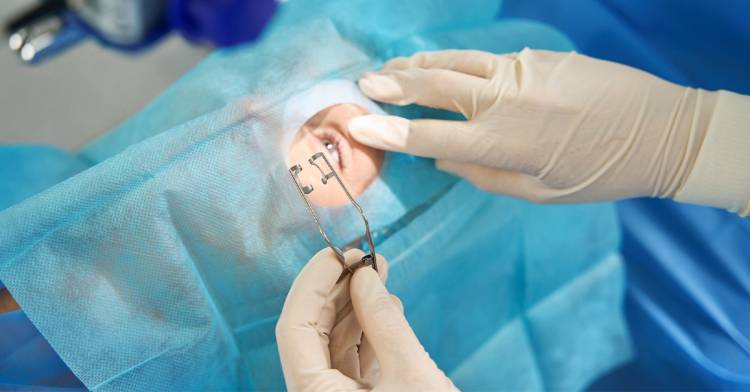
Dr. Abdel Rahman Shams’s center officially announced that the baseline cataract surgery cost for the year 2026 starts at 16,000 EGP per eye. However, this is a starting point. The final cost is determined by several highly specific variables:
- Severity of the Condition: How advanced the cataract is and the overall health of the eye.
- Type of Intraocular Lens (IOL): The specific artificial lens chosen for implantation drastically affects the price. Standard monofocal lenses are more affordable, while premium lenses (like multifocal or toric lenses that correct astigmatism and presbyopia simultaneously) will increase the overall cataract surgery cost.
- Surgeon's Expertise: The academic degree, reputation, and success record of the consulting surgeon.
- Technology Used: Opting for the computer-guided Femto-Laser over standard Phacoemulsification.
- Facility Standards: The level of sterilization, modern equipment, and overall medical preparedness of the surgical center.
When evaluating the cataract surgery cost, remember that choosing premium materials and a highly skilled surgeon like Dr. Shams is the best way to guarantee a flawless result.
Red Flags: Signs of Cataract Surgery Failure
While cataract surgeries have an incredibly high success rate and are globally recognized as safe, complications—though rare—can occur. It is vital to monitor your healing process. If you notice any of the following "Red Flags," you must consult your doctor immediately:
- Deteriorating Vision: If your blurry vision persists for weeks or suddenly worsens compared to how it was before the surgery.
- Severe, Unrelenting Pain: Mild discomfort is normal, but agonizing pain that does not respond to standard painkillers is a major warning sign.
- Signs of Retinal Detachment: Seeing sudden flashes of light, a massive increase in "floaters" (black spots), or a dark "curtain" descending over your field of vision.
- Abnormal Discharge: Severe redness accompanied by thick, mucous, or purulent discharge, which highly indicates a post-operative infection.
- Dislocated Lens: Experiencing severe double vision or noticing that the implanted lens has shifted out of place.
- Secondary Cataracts: Months or even years after a successful surgery, the posterior capsule holding the new lens may become cloudy, mimicking original cataract symptoms. This is easily and cheaply fixed in a quick clinic visit using a YAG laser. The secondary cataract surgery cost using this laser is minimal and restores crystal-clear vision instantly.
Post-Operative Care: What to Do After Surgery
Even though most patients can resume light daily activities within 24 hours, adhering to strict post-operative guidelines is critical to ensuring complete recovery and protecting the results of your investment. Dr. Abdel Rahman Shams recommends the following protocols:
- Rest: Avoid strenuous activities, heavy lifting, and exhausting exercises for several weeks.
- Driving: Do not drive until your surgeon confirms your vision meets safety standards.
- Travel: Refrain from flying or long-distance travel immediately following the procedure.
- Medication: Strictly adhere to the prescribed regimen of antibiotic and anti-inflammatory eye drops to prevent infection and swelling.
- Hygiene: Never rub your eye. Avoid environments full of dust and dirt.
- Water Exposure: Avoid swimming pools and hot tubs for at least one to two weeks to prevent bacterial infections.
- Cosmetics: Stop using eye makeup (mascara, eyeliner) for at least a week or two.
- Protection: Wear high-quality sunglasses outdoors to shield your sensitive healing eye from wind, dust, and direct UV rays.
How to Sleep After Cataract Surgery
Sleeping on your back is the safest and most ideal position.
[Image demonstrating the correct way to wear a protective plastic eye shield over the eye for sleeping after surgery]
You must wear the dedicated plastic eye shield provided by the clinic to prevent unintentional pressure, scratching, or rubbing while you sleep.
- Avoid the Affected Side: Do not sleep on the side of the operated eye for at least the first few days.
- Elevate Your Head: Use an extra pillow to slightly elevate your head; this helps reduce post-operative swelling and accelerates healing.
- Avoid Sleeping on Your Stomach: This position places dangerous direct pressure on the eyeballs.
Adhering to these sleep instructions for one to two weeks ensures that the microscopic incisions heal flawlessly.
According to international medical references and what was indicated by the reliable website WebMD, early diagnosis of signs of cataracts and following up on any abnormal changes in vision after the operation is a crucial step to avoid any complications, which ensures that the patient regains his vision with complete clarity and with the highest levels of safety.
Read more about Eye Floaters Treatment
Conclusion and Next Steps

Dealing with visual impairment can be daunting, but modern medicine offers a rapid, painless, and highly effective solution. Understanding the cataract surgery cost in Egypt for 2026 is your first step toward regaining crystal-clear vision and taking back control of your life.
With a phenomenal success rate of up to 98% using advanced laser and Phaco techniques, there is no reason to live with the fog of cataracts. Do not compromise when it comes to your sight.
For an accurate diagnosis, a personalized treatment plan, and a detailed breakdown of your specific cataract surgery cost, we urge you to contact the clinic of Dr. Abdel Rahman Shams, the premier eye care center in Maadi.
Explore your options and book your consultation today by visiting the official website: abdelrhmanshams. Rediscover the beauty of the world with perfect vision!
Read more about Eye Cataract Treatment
الاسئله الشائعة
Patients are typically instructed to wear a protective eye patch or clear plastic shield on the first or second day following the operation. In most cases, the daytime patch is removed after 24 to 48 hours. However, your surgeon will likely strongly recommend wearing a protective plastic eye shield while sleeping for at least a week to prevent accidental rubbing.
The actual removal process (cataract extraction) usually takes between 10 to 30 minutes per eye. While you may spend an hour or two at the clinic for pre-operative preparation and post-operative observation, the surgery itself is remarkably swift. Because it is done under local anesthesia, the patient remains fully awake and aware but experiences absolutely no pain.
احدث المقالات
انواع عمليات تصحيح الابصار
2026-09-26

PRK Eye Surgery | Safely Ditch Your Glasses
2026-09-20