استشاري جراحات المياه البيضاء وتصحيح الابصار وعلاج جفاف العيون
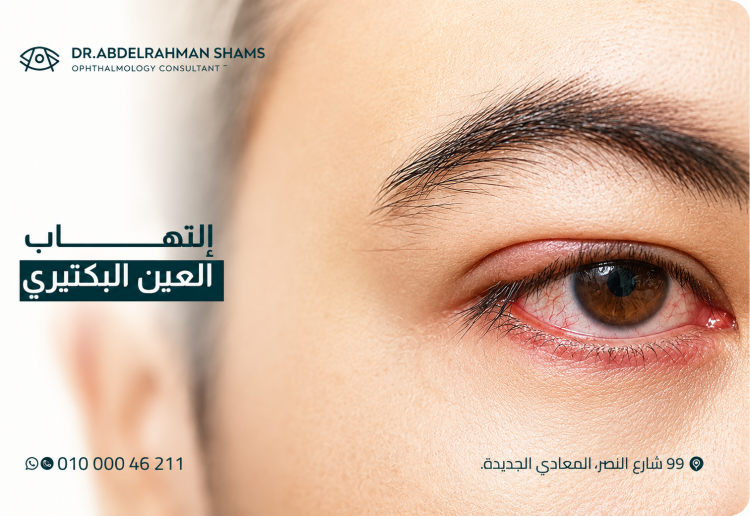
Bacterial conjunctivitis, clinically referred to as a bacterial eye infection, is a prevalent condition affecting the conjunctiva—the clear mucous membrane covering the white part of the eye and the inner surface of the eyelids. Highly contagious in nature, it causes significant ocular redness, discomfort, and a characteristic thick, purulent discharge. Interestingly, the same bacterial strains responsible for strep throat can precipitate this condition,
making it particularly widespread among pediatric populations. If you suspect you have contracted a bacterial eye infection, prompt and specialized medical evaluation is essential. We highly recommend Dr. abdelrhman shams, a premier ophthalmologist in Egypt. Holding a PhD in Ophthalmology from Ain Shams University, Dr. Abdel Rahman Shams is a leading consultant in cataract surgery, advanced vision correction,
and dry eye management. He provides accurate diagnostic assessments, prescribes optimal therapeutic regimens, and offers indispensable medical guidance to ensure complete recovery.
Clinical Manifestations and Symptoms
Recognizing the early clinical signs of a bacterial eye infection is crucial for timely medical intervention and preventing the spread of the pathogen. Common symptomatic presentations include:
- A persistent gritty or foreign body sensation within the eye.
- Pronounced scleral redness accompanied by a localized burning sensation.
- Sharp ocular pain and intense, disruptive itching.
- Excessive lacrimation (tearing).
- Noticeable edema (swelling) of the upper and lower eyelids.
- Transient blurred or distorted vision.
- Photophobia (extreme sensitivity to light environments).
- Hardened crust formation on the eyelid margins and eyelashes, particularly noticeable upon waking.
- Discharge of thick yellow, green, or grayish pus from the ocular cavity.
Transmission Pathways and Epidemiology

Understanding the vectors of transmission is fundamental to implementing effective preventive hygiene measures. The bacteria primarily spread through:
- Direct physical contact with the ocular secretions of an infected individual.
- Touching or rubbing the eyes with unwashed hands after handling contaminated surfaces or fomites.
- Improper hygiene, inadequate sterilization, or extended wear of contact lenses.
- Close-quarter physical interactions in schools and daycare centers, where Uveitis in Children frequently neglect rigorous hand hygiene protocols.
- Migration of endogenous bacteria from the patient’s own nasal cavity and sinuses into the ocular region.
Pediatric Considerations and Pathophysiology
When a bacterial eye infection affects children, it typically presents as a severe inflammation of the conjunctival vascular network, turning the entire eye a bright pink or deep red hue. Dr. Abdel Rahman Shams emphasizes the critical need to monitor children closely,
as they can act as active carriers and transmit the bacteria for up to two weeks before full-blown clinical symptoms manifest. Key pediatric indicators include severe bilateral redness, continuous complaints of a sandy feeling in the eyes, heavy purulent crusting that glues the eyelids shut during sleep, and pronounced photophobia.
Proactive Preventive Measures
To systematically mitigate the risk of contracting or spreading pathogenic bacteria, specific hygienic practices must be strictly adopted:
- Wash hands thoroughly and frequently using antibacterial soap and warm water.
- Strictly avoid touching, rubbing, or scratching the ocular region.
- Assign individual personal towels and washcloths, ensuring they are laundered and replaced daily.
- Change pillowcases and bed linens on a regular basis.
- Never share eye cosmetics, makeup applicators, or contact lens solutions with others.
Standard Medical Treatment Protocols
Successfully resolving a bacterial eye infection requires targeted medical interventions, as systematically outlined by Dr. Abdel Rahman Shams. Patients must immediately discontinue the use of all contact lenses and discard any current eye makeup to prevent reinfection.
The standard therapeutic protocol includes:
- Topical Antibiotics: Prescription antibiotic eye drops or sterile ointments are the first-line Corneal Ulcer Treatment to eradicate the bacterial flora and rapidly reduce tissue inflammation.
- Oral Antibiotics: In cases of severe, resistant, or systemic bacterial spread, oral antibiotic medications may be prescribed.
- Ocular Hygiene Management: Gently cleansing the margins of the closed eye with a sterile cotton pad soaked in warm, purified water helps safely remove infectious crusts, soothe the inflamed area, and maintain optimal hygiene without aggravating the tissues.

To ensure you are fully informed about the scientific foundations of these treatments, we highly recommend reviewing the clinical guidelines provided by the globally recognized Mayo Clinic. This trusted medical authority emphasizes that bacterial conjunctivitis (pink eye) requires precise medical evaluation, as it often necessitates targeted antibiotic therapy—such as prescription eye drops or ointments—to effectively eradicate the bacteria, rapidly reduce tissue inflammation,
and prevent potential visual complications. This globally approved standard of care is exactly what Dr. Abdel Rahman Shams applies to guarantee a safe and rapid recovery.
Indicators for Emergency Medical Intervention
While the majority of cases respond well to standard pharmacological therapy, a bacterial eye infection can occasionally escalate into a severe, vision-threatening clinical emergency. Immediate ophthalmological consultation is strictly required if the patient experiences:
- Unbearable, deep-seated pain within the ocular cavity that surpasses surface irritation.
- Sudden and drastic alterations in visual acuity, including double vision (diplopia) or partial loss of sight.
- Accompanying systemic symptoms such as a high-grade fever, severe headache, nausea, or vomiting.
- Copious, unrelenting drainage of dark green or yellow pus that continuously reappears after cleaning.
- Extreme, restrictive eyelid swelling paired with deep, alarming redness of the conjunctiva.
- Complete lack of clinical improvement after 48 to 72 hours of dedicated antibiotic therapy.
Differential Diagnosis: Types of Conjunctivitis
Conjunctivitis encompasses several distinct etiologies, each demanding a highly specific medical approach:
- Viral Conjunctivitis: An aggressively contagious variant frequently accompanying upper respiratory infections or the common cold. It is clinically distinguished by a watery,
clear discharge rather than purulent pus. - Bacterial Conjunctivitis: This specific bacterial eye infection is characterized by thick, sticky, and purulent exudate that often cements the eyelids together overnight. Unlike viral strains,
it necessitates targeted antibiotic therapy for complete resolution. - Allergic Conjunctivitis: Triggered by environmental allergens such as pollen, chemical pollutants, dust mites, or pet dander. It is entirely non-contagious and typically presents with intense,
relentless itching, clear tearing, and bilateral redness without any infectious discharge.
Management of Periorbital Dermatitis
In certain clinical scenarios, the inflammatory response extends beyond the conjunctiva to the dermal layers surrounding the eye, resulting in periorbital redness, swelling, and localized pain.
Dr. abdelrhman shams notes that this complication requires a meticulously tailored therapeutic approach:
- Pharmacological Treatments: The precise application of corticosteroid eye drops, topical antibacterial ointments
, or calcineurin inhibitors (particularly in cases linked to underlying eczema), strictly under medical supervision. - Supportive Clinical Care: Applying sterile, warm compresses twice daily for 15 minutes to reduce localized swelling. The affected periorbital area should be cleansed with a gentle,
chemical-free, hypoallergenic wash, completely avoiding the use of cosmetics or contact lenses until the dermal barrier is fully restored.
Successfully resolving a bacterial eye infection requires targeted medical interventions, as systematically outlined by Dr. Abdel Rahman Shams. To further reinforce the reliability of these clinical approaches,
the globally recognized medical authority WebMD emphasizes that prompt intervention with specific ophthalmic antibiotics is the most effective method for eradicating bacterial conjunctivitis and halting its highly contagious spread.
In strict alignment with these international medical standards, patients must immediately discontinue the use of all contact lenses and discard any current eye makeup to prevent reinfection.
Vigilance and prompt action are paramount when managing ocular health. A bacterial eye infection can cause significant daily disruption, physical discomfort, and potential complications for both children and adults if left untreated. By practicing stringent preventative hygiene and seeking timely, expert medical care, patients can bypass severe risks and ensure a rapid, safe recovery. If you or your child are experiencing any of the aforementioned clinical symptoms, do not hesitate to seek professional medical assistance. You can easily request a comprehensive consultation with Dr. abdelrhman shams through his official website to receive a precise diagnostic evaluation and a highly effective, personalized treatment plan for your bacterial eye infection.
الاسئله الشائعة
Yes, bacterial eye infections (especially conjunctivitis) are highly contagious and can easily spread from person to person through direct contact, sharing personal items (towels, pillows), or airborne droplets. The bacteria causing the infection can be transferred from contaminated hands to the eyes, nose, or mouth, making thorough handwashing and the use of hand sanitizer essential.
If you notice redness, pain, swelling of the eyelids and excessive tearing, it means that you have bacterial conjunctivitis, which is a common problem affecting all age groups, and it is a contagious disease.
احدث المقالات